
Just outside Nairobi, in the industrial town of Ruiru, there is a place where children who once slept on the streets are learning to carry something new: a backpack filled with possibility. Watu Wa Maana—Swahili for “very important people”—is more than a children’s home. It is a daily declaration that every child, no matter where they started, has value, dignity, and a future worth fighting for.
For many of the children who come through Watu Wa Maana, school is not a given. It’s not even an assumption. These are children who have been abandoned, neglected, or left to fend for themselves—often surviving by begging, scavenging, or doing whatever they can to eat another meal. On the streets, education becomes a distant dream, because the basics of survival consume everything: food, shelter, safety, and simply making it through another night.
That’s how the cycle of scarcity repeats—generation after generation. When a child cannot access school, they grow into adulthood without the tools needed for stable work, creating deeper poverty and greater vulnerability. In communities like this, education isn’t just a pathway; it’s a lifeline.
A leader who refuses to let her children be forgotten
Under the faithful leadership of Wanjiru Kanyoni, Watu Wa Maana has become that lifeline for dozens of children in Ruiru and beyond. Wanjuri’s story began with a holy interruption—passing street children day after day and sensing God’s question: Who will teach them? Her “yes” grew from preaching on the streets to feeding children, then gathering them for worship, and eventually building a refuge that has transformed lives for more than two decades.
Today, Watu Wa Maana serves children on campus and continues to support young adults pursuing higher education or vocational training—proof that this work is not temporary relief, but long-term restoration.
Wanjiru is her children’s greatest advocate, and there is a strong emphasis on education—not as an abstract ideal, but as a practical, daily commitment. She understands what many of us take for granted: children don’t simply need to “go to school.” They need the stability, support, and habits that make school productive.
Success begins with what a child carries
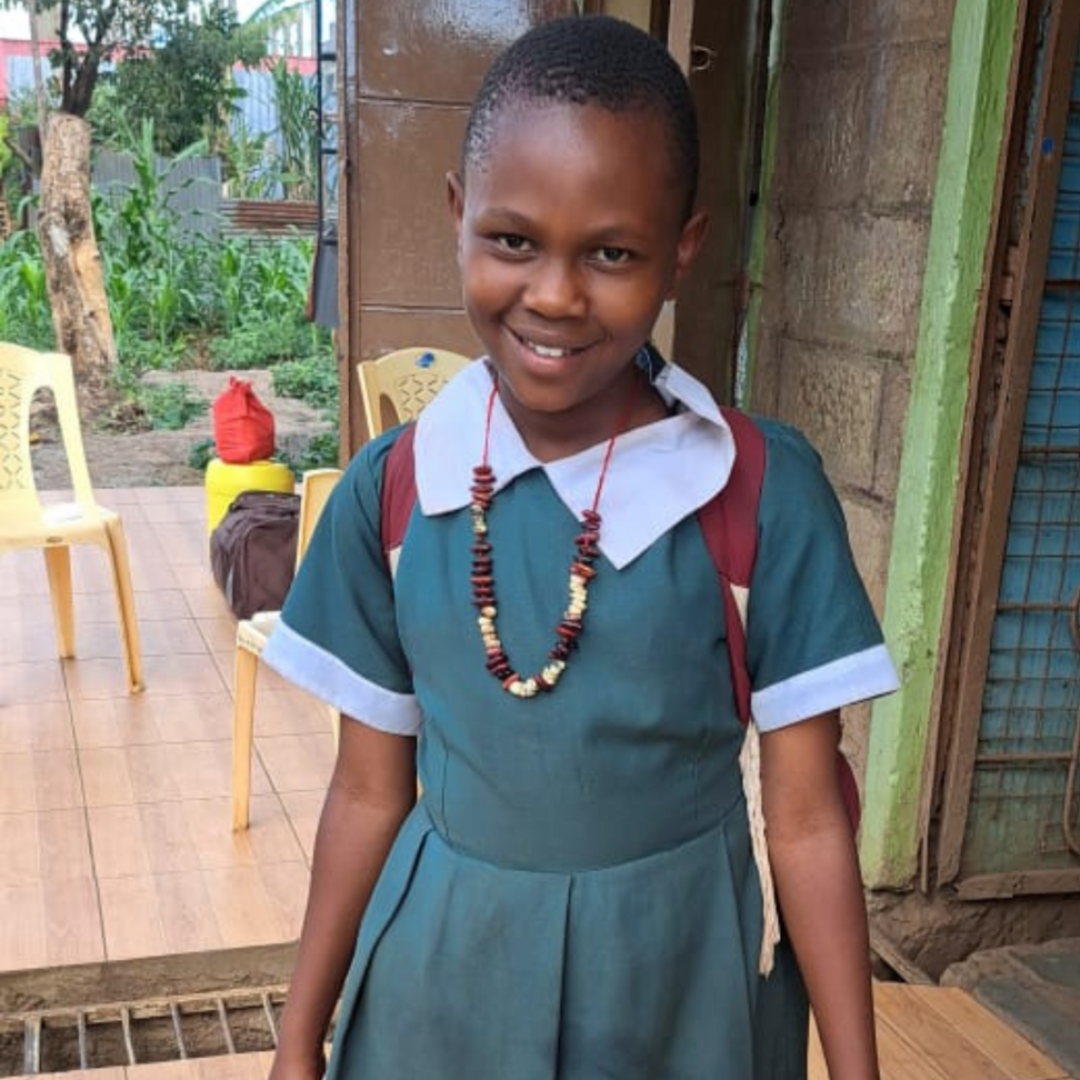
Back-to-school season at Watu Wa Maana starts with preparation. You can’t learn without the basics. Uniforms, shoes, backpacks, notebooks, pens—these items may seem simple, but for a child coming from the streets, they represent inclusion and belonging. They remove the shame of showing up unprepared and send a powerful message: You are worth investing in.
This is where transformation often begins—when a child realizes they can walk into a classroom equipped, clean, and confident. But preparation is only the starting line.
Success is sustained by routines, tutoring, and trauma-informed care
What sustains school success at Watu Wa Maana is the daily work of rebuilding a child’s inner world. Many children arriving from the streets have never known consistent routines. Homework time, early bedtimes, clean uniforms for tomorrow, and the discipline to concentrate in class—these are learned skills, not automatic behaviors.
That is why the “back to school” story at Watu is also a caregiver story. Staff and caregivers help children practice new rhythms: morning routines, attendance expectations, quiet study time, and follow-through when motivation runs thin. And because so many of these children carry trauma, Watu’s approach is not harsh or shaming—it’s supportive, structured, and increasingly trauma-informed. Watu staff have participated in ongoing training, including regular Zoom training and completion of behavior-change training designed to equip caregivers to guide children toward healing and growth.
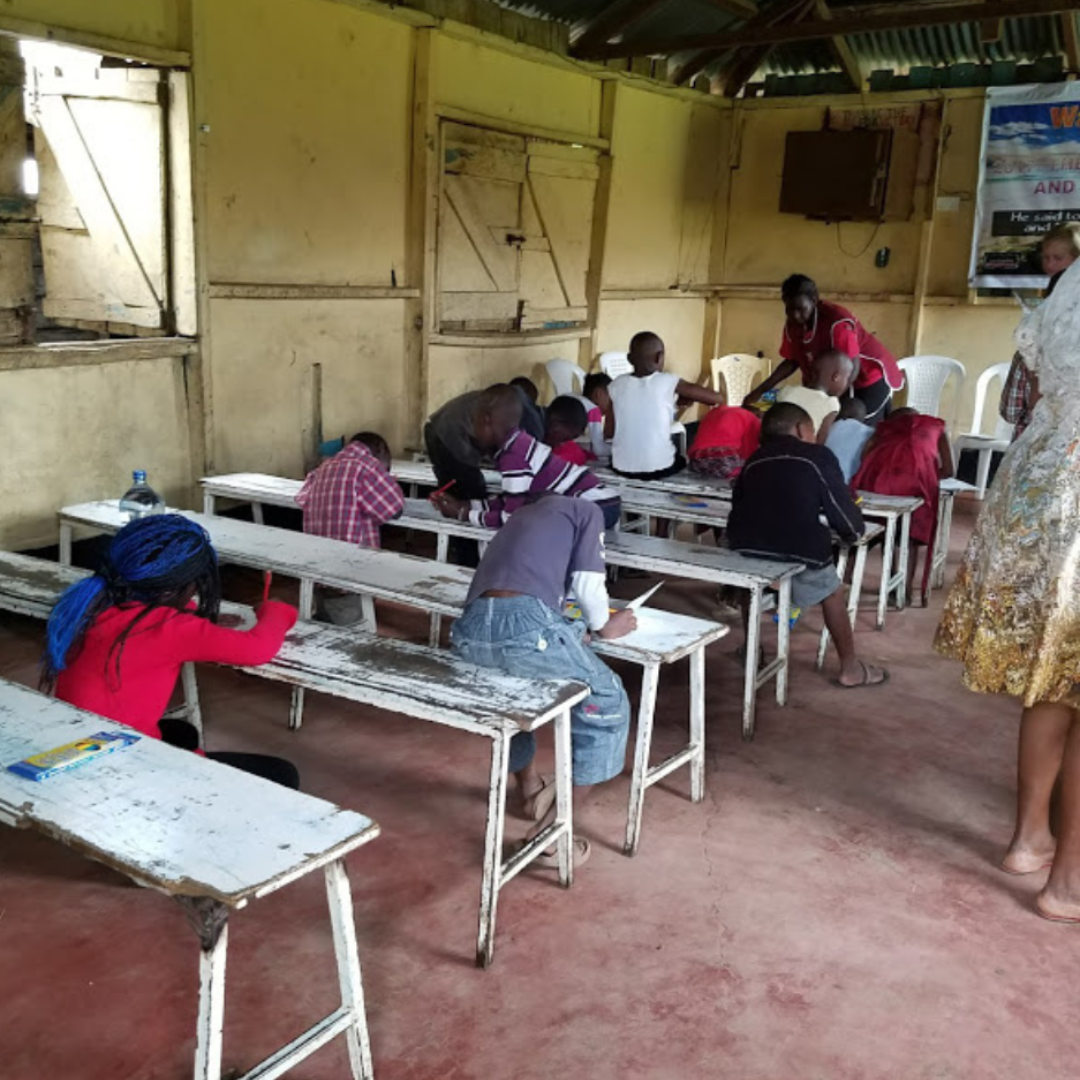
When academic gaps appear—and they often do—Watu responds with targeted support. During a recent holiday break, the home implemented an intensive tutoring program with daily sessions to help students who were struggling catch up and regain confidence. That’s what advocacy looks like: not wishing children success, but building the scaffolding that makes success possible.
From “barely sheltered” to a home that feels like family
Watu Wa Maana’s journey mirrors the children’s journey—moving from survival toward stability.
In the early days, Wanjiru housed the children in a small shelter, and the numbers quickly grew. Over time, and through faithful partnership, the home has developed into a more family-styled environment—meals, consistent adult care, social work support, and a growing campus designed not just to house children, but to restore them.
Even the physical environment is being renewed. In 2025, a Men and Women of Action team helped launch major dorm and bathroom renovations—bringing lighting, plumbing, and clean, welcoming spaces that reflect dignity and hope; a well has been drilled and a Dream Center will be completed this year.
Education for today—and opportunity for tomorrow
Education at Watu Wa Maana isn’t limited to the classroom. It includes preparing youth for the modern world. In 2025, Watu received new laptops that expanded access to online learning, research, coding lessons, and essential digital skills—closing a gap that had limited students’ academic and career readiness.
And the vision is growing even wider. Construction has been underway on the Paul Cecere Dream Center, designed to bless both Watu’s children and the surrounding community through vocational training and skill development. Because when a child is rescued from the streets, we don’t just want them to survive. We want them to thrive—spiritually, emotionally, academically, and vocationally.
You can help a child start strong this school year
Back-to-school at Watu Wa Maana is a holy moment—uniforms and notebooks, yes—but also tutoring plans, caregiver training, and a community determined to break the cycle of poverty with the power of education.
If you want to be part of that lifeline, your support helps provide:
- uniforms and school supplies
- tutoring and academic support
- trauma-informed caregiving and stable routines
- technology resources for learning
- long-term transition support for graduates
At Watu Wa Maana, children who once believed they were invisible are learning to say their name with confidence:
“I am Watu Wa Maana—very important.”
