“Chokora,” they would say. When there is little chance for a meal, there is no chance for education, it is all about survival.
And over time, he began to believe it. From a trauma-informed perspective, we understand that children like him are not choosing the streets—they are adapting to survive them. What may look like defiance, aggression, or dishonesty is often the language of unmet needs. Survival behaviors are not character flaws; they are evidence of a child doing whatever is necessary to stay alive.
This young boy carried not only physical hunger, but emotional wounds—rejection, abandonment, shame. His identity was shaped by what had been done to him and what had been said about him. But then, something changed.
An opportunity came for him to leave the streets and enter Watu Wa Maana in Ruiru, Kenya—a place supported through the ongoing partnership of Haven of Hope International. Watu wa Maana means “very important people”.
He didn’t know what to expect. When he arrived, his first impressions were simple, yet profound.
- A bed.
- A safe place to bathe.
- A bathroom.
- Cleanliness
- A chance to go to school.
These are things many of us take for granted, but for him, they were overwhelming signs of safety and dignity. Trauma-informed care teaches us that before a child can heal emotionally, they must first feel physically safe. And for the first time in a long time, he did.
Then came something even more powerful—consistency. Meals came regularly. No longer did he have to wonder where his next bite would come from. His body began to relax. His mind began to settle. The constant state of survival slowly gave way to something unfamiliar—peace.
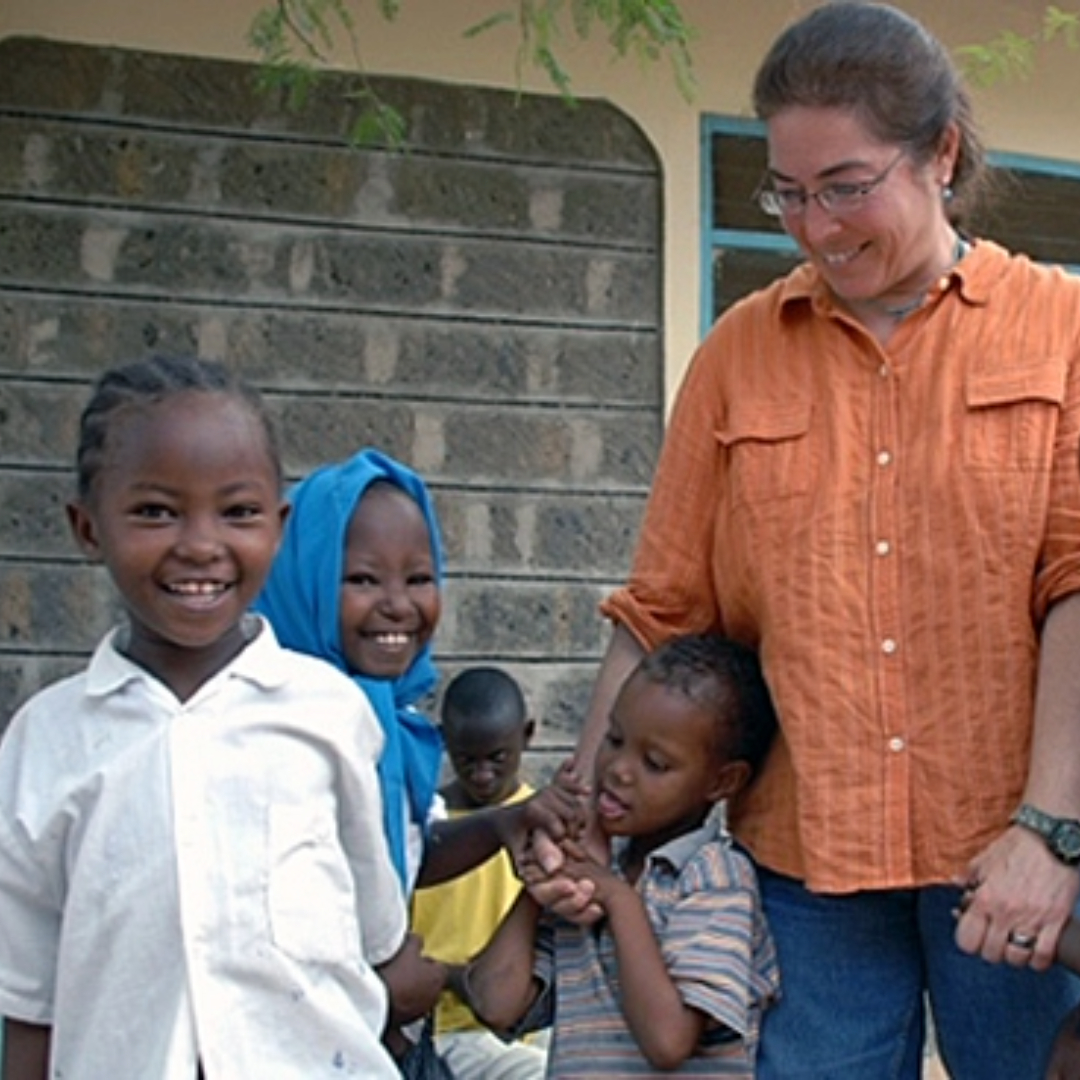

He was given the opportunity to attend school. At first, it was difficult. Children who have lived on the streets often struggle with structure, trust, and authority. Their brains have been wired for survival, not for sitting in a classroom. But patient, trauma-informed caregivers understood this.
Nobody wants to be identified as coming from poor family, an institution or from the street. They often revert to survival behaviors because they feel like they don’t fit anywhere. If the academics are not hard enough, the social aspects are challenging. Everybody seems rich when compared. Success requires an identity shift. The workers at WATU did not see a “problem child.” They saw a child in need of healing. They responded with consistency, relationship, and truth. Instilling God’s identity for them.
Over time, something began to shift.
He started to laugh again.
He began forming friendships.
He experienced what it meant to belong.
And perhaps most importantly, he began to see himself differently. One day, in a quiet moment of reflection, he said something that captured the depth of his transformation: “I am not chokora anymore.”
Those words carry more weight than we can fully understand. Because this was not just about a change in environment—it was about a transformation of identity.
He continued: “I am chosen.”